

UNIVERSES>NATURE
Workshop - Radostina Neykova and Lea Vidakovic: Symbiosis
A stop motion animation workshop that combines natural and artificial materials. Mentors: Radostina Neykova and Lea Vidakovic. During the workshop, the students will explore the nature of a range of artificial and natural materials. They will invent and create relationships between them, by using shapes, images, characters from artificial (colored papers, foil, pieces of glass, plastic) and natural materials (sand, stones, sticks, cork, among others) They will re-imagine short stories about the symbiosis of these materials – positive or negative in nature. They will think about how and whether we protect nature and our future.
16 - 18 March | UNIVERSIDADE LUSÓFONA | 13:00
mandatory pre-registration


Latvian Retrospective: Vladimir Leschiov
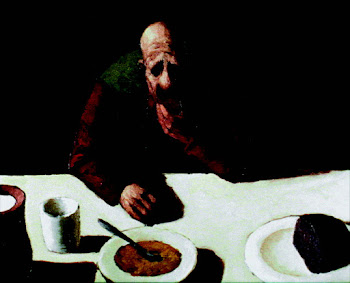
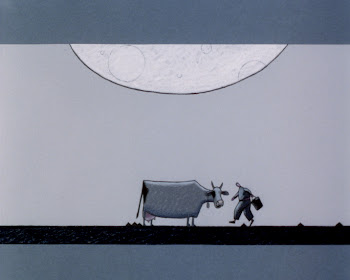
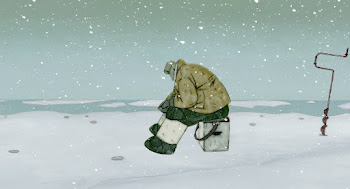
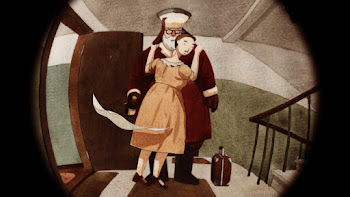
Vladimir Leschiov’s work is an intimate look into latvian day-to-day life, fluctuating between poetic realism and sensory memory. His films are an exercise on identity and time preservation, through a contemplative and profoundly human look.
17 March | CINEMA SÃO JORGE | 21:45
tickets available

Short Film Competition 1
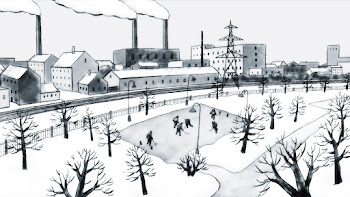
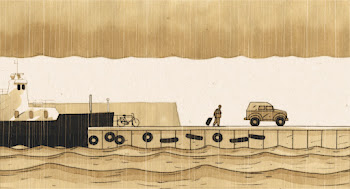
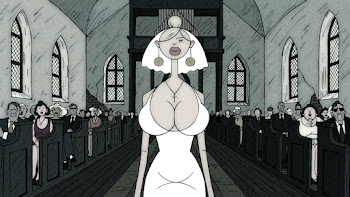
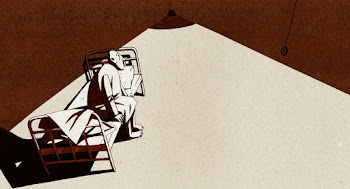
Nine short films focused on human relationships. Stories which reflect diverse cultures and points of view, using animation techniques ranging from analog or digital drawing to _stop-motion, _rotoscopy or sand.
15 March | CINEMA SÃO JORGE | 19:00
tickets available




Best of Punto y Raya 2025
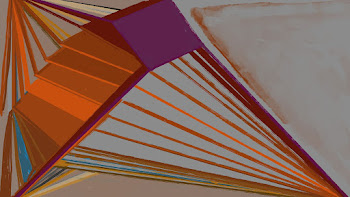
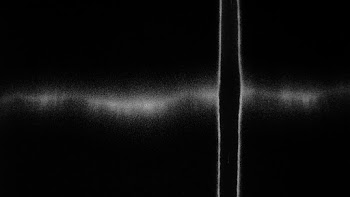
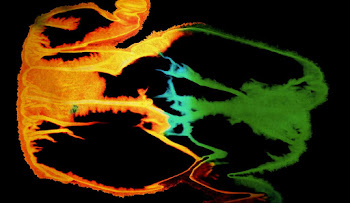
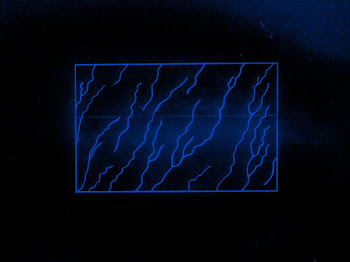
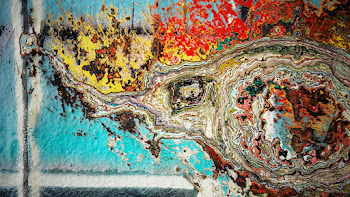
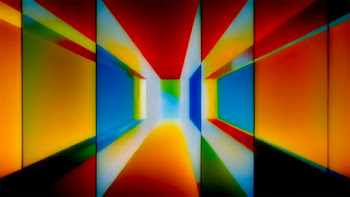
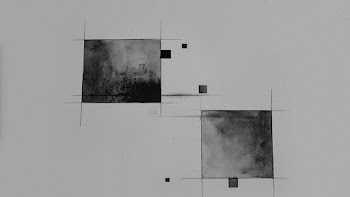
Finalist and award-winning films from the 9th edition of Punto y Raya Festival, held in December 2025 in Sofia, Bulgaria. A curatorship of Ana Santos and Noel Palazzo, in a programme which brings together 15 works from 12 countries, exploring abstraction through diverse approaches and techniques, from hand-drawn animation to AI-generated processes. Punto y Raya champions audiovisual art in its purest state: Form, Colour, Motion and Sound. Reviving the legacy of 1920s Absolute Film, the festival consolidates this singular artform at the crossroads of Fine Arts and Media.
18 March | CINEMA SÃO JORGE | 14:15
tickets available




Short Film Competition 2
Eight short films where emotions, feelings and reflections are expressed in a diverse and imaginative way, portrayed by humans, animals or pure visual music, using drawing, sand, stop-motion or pixilation.
17 March | CINEMA SÃO JORGE | 19:00
tickets available




Preview of the Lírio Series
tickets available at the venue

Cartoon Modern
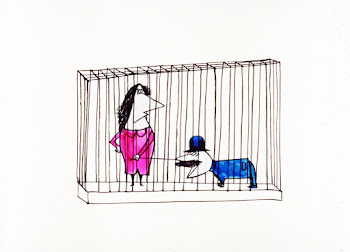
Modern Cartoon asserts itself as a rupture with the Disney tradition, bringing aesthetic and narrative innovation to cartoons and decisively marking the history of animation. In the United States, pieces like ‘Gerald McBoing-Boing’ (1950) and personalities like Mr. Magoo (1949) brought refined visual humor and iconic characters who influenced generations. In Europe, films like ‘Boomerang’ or ‘Surogat’ (1961) explored a more graphic and conceptual animation, reflecting social and cultural changes. Together, these pieces reveal the diversity, boldness and modernity of _cartoon_ as a universal artistic language. Screening curated by historian Amid Amidi.
16 March | CINEMATECA PORTUGUESA | 19:30
tickets available





Recycled Animation
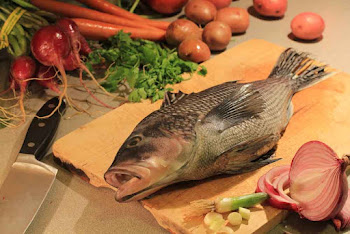
The films of this screening share a common idea: the reutilization or recycling of objects and other existing elements, whether they are natural or man-made. The screening starts with what is considered to be the first stop-motion film in history, where the protagonists are matches, followed by films that use natural elements such as sand, insect shells, fish or even the blood of the artist, and finally as films that recycle other man-made objects.
14 March | CINEMA SÃO JORGE | 21:45
tickets available




Bruno Bozzetto Retrospetive - Allegro non Troppo
A tribute to the 50 years of the third feature film by Bruno Bozzetto, a musical film which depicts six pieces of classical music by Debussy, Dvo?ák, Sibelius, Ravel, Vivaldi e Stravinski, in a fun and imaginative way.
13 March | CINEMA SÃO JORGE | 19:15
tickets available

Short Film Competition 4
Seven short films about human relationships in a family context, some carrying social and ecological messages and others poetic narratives. Animated through drawing, painting, clay or objects made of wool.
21 March | CINEMA SÃO JORGE | 14:45
tickets available





Landscapes in Motion
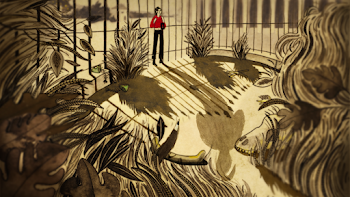
Animation film is largely dominated by its human-like and anthropomorphic characters. In this screening, that spotlight is transferred to the landscapes, where its natural elements are sometimes used in a human-like way to tell stories, other times to serve as an environment whose presence is essential to give strength to the plot, or still in the privileged situation of being the actual centre of attention, that can be expressed in a more explicit or abstract way.
15 March | CINEMA SÃO JORGE | 21:45
tickets available


Jazzanim
19 March | CINEMA SÃO JORGE | 23:15
tickets available


Other SECTIONS
AWARD-WINNERS
INVITED COUNTRY
FEATURE FILMS COMPETITION
LONG SHORTS FILMS COMPETITION
SHORT FILMS COMPETITION
SUPERSHORTS COMPETITION
STUDENT FILMS COMPETITION
VASCO GRANJA PORTUGUESE FILMS COMPETITION
PERSPECTIVES COMPETITION
MONSTRINHA
SPECIAL SCREENINGS
ANIM
RETROSPECTIVES AND TRIBUTES
CLASSICS
INDUSTRY
ANIMATION AND OTHER ARTS
SPECIAL EVENTS
UNIVERSES